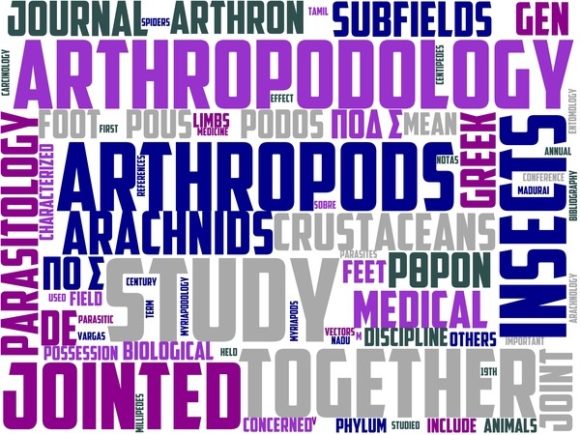
Arthropodology Wordart Sublimation
Imagine a single design element that sparks curiosity, invites conversation, and subtly communicates expertise—all while looking vibrant, intentional, and handmade. That’s what Arthropodology Wordart Sublimation delivers: a hand-drawn, colorful wordcloud centered on arthropod-related terms—think “exoskeleton,” “metamorphosis,” “chitin,” “arthropoda,” “pollinator,” “segmented,” “molting,” and “biodiversity”—rendered with organic linework, balanced spacing, and thoughtful color harmony. It’s not just decorative; it’s conceptually grounded, scientifically resonant, and visually versatile.
Why This Wordcloud Fits Real Creative Work
Unlike generic clipart or algorithm-generated word clouds, this Arthropodology Wordart Sublimation design was crafted by hand—meaning every curve, overlap, and hue shift serves readability and aesthetic cohesion. That intentionality makes it unusually adaptable across physical and digital applications. For educators designing classroom posters, the layered terminology reinforces key concepts without overwhelming students. For science communicators launching an entomology newsletter, it becomes an instant visual anchor—recognizable at a glance, rich in meaning upon closer look.
Because it’s built for sublimation printing, the design transfers cleanly onto polyester-rich fabrics, ceramic mugs, aluminum tumblers, and coated hard surfaces. No pixelation, no fading under regular washes or light exposure—just consistent, vivid color retention. That reliability matters when you’re producing limited-run merch for a field biology conference or stocking a museum gift shop with science-themed pillows and tote bags.
Where It Adds Quiet Value (Without Extra Effort)
Small business owners running nature-based brands—like sustainable insect-rearing kits, native pollinator seed companies, or eco-education workshops—often struggle to balance scientific accuracy with approachable branding. This Arthropodology Wordart Sublimation bridges that gap. Use it as a background texture behind product photography, scale it down for woven care tags, or reverse it into white-on-navy for minimalist notebook covers. The result feels informed—not academic—and warm—not clinical.
For freelance designers and print-on-demand creators, the file typically includes high-resolution PNG (transparent background) and vector-based EPS or SVG formats. That means you can recolor individual words to match brand palettes, isolate terms for custom stickers (“Pollinator” + bee icon), or layer it beneath typography in Canva or Adobe Illustrator without losing fidelity. No need to redraw from scratch or license expensive stock assets.
Practical Applications You’ll Reach For Again and Again
- Textile & apparel: Printed on cotton-poly blend tees for university entomology clubs or embroidered subtly along the hem of lab coats.
- Home décor: Transferred onto canvas wall art for science classrooms, libraries, or homeschool spaces—where visual cues support memory and engagement.
- Promotional materials: Embedded in PDF invitations for biodiversity webinars or scaled as a watermark behind event programs—adding thematic depth without competing with text.
- Educational tools: Printed on laminated flashcards (each word paired with a simple definition), used in tactile sorting activities, or turned into cut-out stencils for chalkboard-style classroom walls.
- Publishing & packaging: Applied as foil-stamped detail on book spines for field guides, or wrapped around candle jars for “earth science” lifestyle brands.
Who Benefits Most—and Why Timing Matters
Freelance illustrators and surface pattern designers often build seasonal collections around themes—spring pollinators, summer beetles, autumn arachnids. This Arthropodology Wordart Sublimation integrates seamlessly into those workflows because it’s both specific enough to signal subject matter and flexible enough to adapt across tones: playful for kids’ activity books, refined for academic press covers, earthy for botanical apothecary labels.
Bloggers and science communicators also find unexpected utility here. A well-placed screenshot of the wordcloud in a blog post about citizen science projects signals credibility before the first sentence is read. Likewise, podcasters use it as a consistent thumbnail motif across episode artwork—building visual recognition over time without needing custom illustrations each week.
That said, it’s not a universal solution. If your project demands photorealistic imagery, highly technical anatomical labeling, or multilingual translation of all terms, this wordcloud won’t replace dedicated illustration or localization work. Its strength lies in evocation—not exhaustive explanation. Think of it as a visual footnote: reinforcing ideas already present in your message, not carrying the full weight of it.
Making It Work With Your Existing Tools and Workflow
You don’t need specialized software to begin. Most users start with the PNG file in free tools like Canva or Google Slides—adjusting opacity, adding subtle drop shadows, or masking portions to create focal points. For deeper customization, open the vector version in Affinity Designer or Inkscape (both free or low-cost) to tweak stroke weights, reposition clusters, or extract individual letters for monogram-style logos.
If you're ordering printed products through third-party services—like Printful, Gelato, or local screen printers—confirm they accept transparent-background PNGs at 300 DPI and support RGB-to-CMYK conversion if needed. Some sublimation providers prefer flattened layers; others handle transparency natively. A quick test print on scrap fabric or paper saves time later.
Also consider context: a bright, saturated version shines on dark textiles but may lose impact on busy backgrounds. For posters meant for fluorescent-lit school hallways, a slightly bolder outline or simplified color variant (e.g., deep teal + cream instead of rainbow gradients) improves legibility at a distance.
A Thoughtful Note on Long-Term Use
Because this Arthropodology Wordart Sublimation is rooted in real biological vocabulary—not trending buzzwords—it ages gracefully. You won’t outgrow it as terminology shifts or fads fade. “Chitin” remains relevant whether you’re teaching high school biology in 2024 or developing AR curriculum modules in 2030. That longevity supports consistency across evolving platforms: same core visual, adapted intelligently for new formats.
And while it invites creativity, it doesn’t demand perfection. A slightly uneven edge, a hand-sketched imperfection in the “A” of “arthropoda”—those aren’t flaws. They’re reminders that science isn’t sterile. It’s alive, variable, and deeply human. When your audience sees that warmth translated into fabric, paper, or ceramic, they don’t just register a design. They sense care, curiosity, and quiet authority.