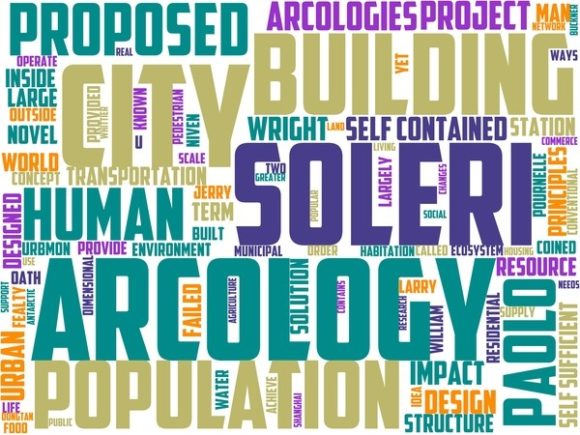
Arcology Wordart Sublimation
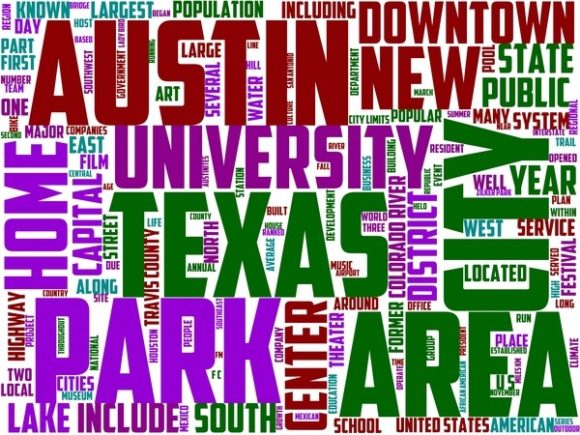
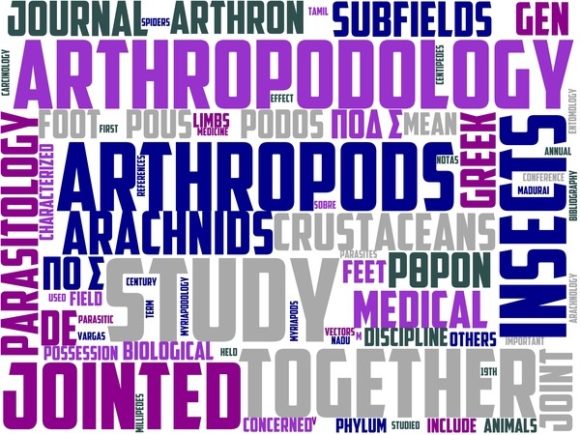
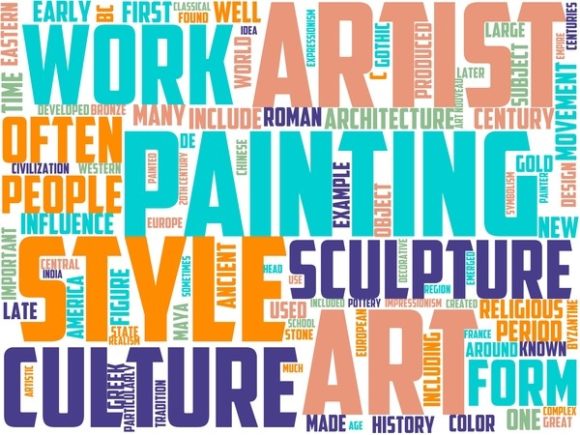
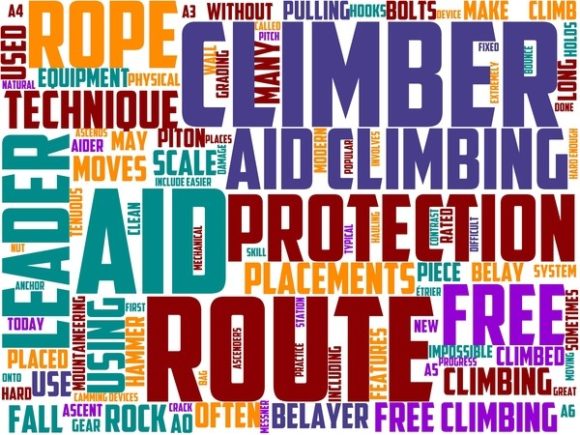
Imagine a single, vibrant hand-drawn wordcloud—rich in color, balanced in composition, and brimming with meaning—that works just as beautifully on a cotton t-shirt as it does on a ceramic mug, a linen pillowcase, or the cover of an e-book. That’s the quiet power of Arcology Wordart Sublimation: not just digital art, but a versatile, ready-to-apply design asset built for real-world making.
What It Really Is (and What It’s Not)
Arcology Wordart Sublimation is a high-resolution, vector-friendly wordcloud illustration—hand-drawn, intentionally colorful, and thoughtfully layered. It’s designed from the ground up for sublimation printing: the process where ink transforms into gas under heat and pressure, bonding permanently with polyester fabrics or polymer-coated surfaces. Unlike generic clipart or low-res PNGs, this wordcloud retains crisp edges at any size, supports smooth color gradients, and separates cleanly for multi-color print runs or spot-color applications.
It’s not a font, a plugin, or a subscription service. It’s a standalone creative resource—delivered as layered PSD, AI, and high-DPI PNG files—so you control how, where, and when it’s used. No licensing walls. No usage caps. Just clarity, craft, and compatibility.
For Makers & Hobbyists
If you run a small Etsy shop or craft at home on weekends, Arcology Wordart Sublimation saves hours. Instead of piecing together phrases in Canva or wrestling with font pairings, you get a cohesive, expressive layout that already “feels right.” Try it on a tote bag with a simple black background—or scale it down for a set of matching notebook covers. Because it’s hand-drawn, it avoids the sterile look of algorithm-generated clouds. That warmth matters when buyers are choosing between dozens of similar items.
For Educators & Content Creators
Teachers building classroom posters, podcasters designing merch, or bloggers illustrating a new guide—they all need visuals that communicate tone *and* topic at a glance. This wordcloud isn’t random: its organic flow and intentional color rhythm make complex ideas feel accessible. Use it behind a quote about resilience on a printable classroom anchor chart—or layer it subtly beneath text in a workshop handout. Its readability at small sizes means it holds up in digital slides *and* printed programs.
For Small Business Owners & Marketers
You’re not buying art—you’re investing in brand-ready flexibility. Arcology Wordart Sublimation adapts without rework: shrink it for a business card corner, stretch it across a trade show banner, or isolate one phrase for a social media sticker. Because the file includes transparent layers and editable color swatches, your designer (or you, with basic Photoshop skills) can tweak saturation to match your palette—or mute certain words to spotlight a campaign theme. That kind of agility cuts revision time and keeps visual messaging consistent across touchpoints.
For Textile & Product Designers
Fabric printers and accessory makers care about repeatable results. This wordcloud was tested across multiple sublimation workflows—from entry-level Sawgrass printers to industrial Roland presses—and optimized for ink density, edge bleed, and polyester absorption. The spacing between words allows fabric texture to show through without muddying legibility. On a silk scarf? Soft. On a performance-blend athletic shirt? Bold and breathable. That reliability means fewer test prints—and less wasted material.
What You’ll Actually Do With It
- Custom apparel: Print on tees, hoodies, aprons, or even swimwear—no screen setup needed.
- Home goods: Transfer to throw pillows, coasters, or wall art panels using standard heat presses.
- Paper & print: Repurpose the vector layers for letterpress invitations, foil-stamped book covers, or die-cut greeting cards.
- Digital extensions: Animate individual words for Instagram Reels or export clean SVGs for web banners.
- Educational tools: Turn the cloud into a vocabulary builder by highlighting terms in different colors—or use it as a reflection prompt in student journals.
How to Know If It Fits Your Needs
Ask yourself a few practical questions—not about trends, but about your next project:
- Do you need something that looks handmade but scales reliably? → Yes, Arcology Wordart Sublimation delivers both.
- Are you working across multiple formats (fabric, paper, digital) and want one source file to rule them all? → Its layered, resolution-independent structure makes that possible.
- Do you value subtle design intelligence—like how word size relates to emphasis, or how color grouping guides the eye? → Every element was drawn with intention, not automated weighting.
- Is speed important—but not at the cost of authenticity? → You’ll spend minutes, not hours, adapting it—without sacrificing character.
Beginners appreciate that it requires no illustration skill—just the ability to open a file and adjust size or hue. Seasoned designers value the craftsmanship underneath: the balanced negative space, the intentional line weight variation, the way warm and cool tones interact without clashing. Neither group has to “fix” it before use.
Realistic Expectations, Real Results
This isn’t magic—it won’t auto-generate slogans or translate your brand voice. But it *does* give you a strong, flexible foundation. If your goal is fast, meaningful visual communication—with room to grow into more complex adaptations later—it fits. If you need fully custom typography, bespoke iconography, or AI-assisted content generation, this serves a different purpose: quality starting material, not an end-to-end solution.
Think of it like premium watercolor paper: it won’t paint the scene for you, but it supports every brushstroke you choose to make—with integrity, consistency, and quiet confidence.
Where It Belongs in Your Workflow
Whether you’re batch-printing 50 festival t-shirts or designing a limited-run zine series, Arcology Wordart Sublimation slots in naturally. Drop it into your print-on-demand dashboard. Import it into Procreate for hand-lettered enhancements. Use it as a mood board centerpiece while developing a new product line. Its strength lies in how unobtrusively it elevates—never overwhelming, always supporting.
And because it’s rooted in human drawing—not algorithmic output—it carries a subtle energy that resonates differently with every viewer. A student notices the word “curiosity” first. A therapist sees “compassion” stand out. A startup founder lingers on “growth.” That openness to interpretation? That’s not accidental. It’s built in.