Zoologist Typography Tumbler: Where Scientific Wonder Meets Expressive Design
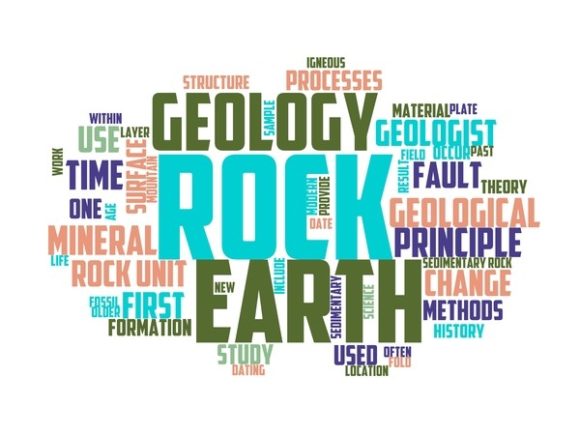
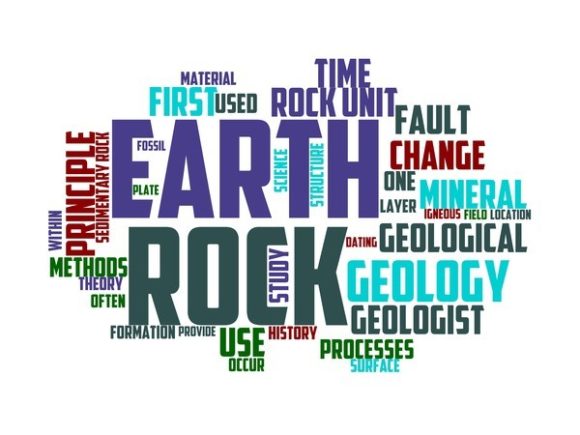
At the intersection of biology, typography, and tactile creativity lies the Zoologist Typography Tumbler — a distinctive, hand-drawn wordcloud that transforms scientific curiosity into visual storytelling. Unlike generic decorative fonts or overused clipart, this resource is a carefully composed constellation of zoological terms — “mimicry,” “camouflage,” “symbiosis,” “nocturnal,” “endangered,” “bioluminescence,” “keystone species,” and more — rendered in vibrant, organic strokes that invite both wonder and warmth. It’s not just a graphic; it’s a design catalyst engineered for versatility, intentionality, and emotional resonance.
A Wordcloud Reimagined for Purpose-Driven Creativity
The Zoologist Typography Tumbler stands apart because it rejects passive decoration in favor of meaningful integration. Each term was selected not only for its scientific accuracy but for its evocative power — words that spark conversation, signal values (like conservation awareness or ecological literacy), and align with audience sensibilities. The hand-drawn aesthetic avoids digital sterility; instead, it embraces imperfection, variation in line weight, and joyful color layering — qualities increasingly prized across design-forward industries from sustainable apparel to educational publishing.
This isn’t a static image dropped onto a t-shirt. It’s a design system in miniature: scalable without loss of character, legible at multiple sizes, and inherently adaptable to context. Whether silkscreened onto organic cotton tote bags, laser-etched onto bamboo notebooks, or embedded as a subtle watermark in an environmental NGO’s annual report, the Zoologist Typography Tumbler carries narrative weight while retaining visual lightness.
Why Designers and Brands Are Turning to Zoologist Typography Tumbler Now
Three converging shifts explain its rising relevance:
- The Rise of Values-Led Visual Language: Consumers — especially Gen Z and younger millennials — increasingly evaluate brands through ethical and intellectual alignment. A clothing label using “mycorrhizal network” or “pollinator corridor” in its print isn’t just being clever; it’s signaling domain knowledge and commitment. The Zoologist Typography Tumbler gives creators immediate access to that language — authentically sourced, visually coherent, and ready for application.
- The Demand for Hybrid Craft-Digital Workflows: Freelancers and small studios no longer choose between handcrafted charm and production-ready assets. With high-resolution vector and PNG files included, the Zoologist Typography Tumbler bridges that gap: it can be scanned, collaged, screen-printed, digitally layered, or even translated into embroidery stitch files. Its adaptability supports hybrid processes — like designing a limited-run poster series in Procreate, then outputting for risograph printing with intentional ink bleed simulation.
- The Shift Toward Contextual Typography: Typography is no longer just about hierarchy or legibility. It’s about tone, ecology, and embedded meaning. A tech startup building biodiversity software might use the Zoologist Typography Tumbler in its onboarding deck not as decoration, but as a visual anchor for core concepts — reinforcing terminology while humanizing complex data. That kind of contextual embedding reflects a broader industry move toward typographic literacy as part of brand intelligence.
Real-World Applications: Beyond Aesthetics, Into Impact
Consider how professionals are already deploying the Zoologist Typography Tumbler with strategic intention:
- Educators and EdTech Creators: One science curriculum designer integrated the wordcloud into student lab notebooks — not as filler, but as a reference glossary students annotate during fieldwork. Terms like “morphology” and “phylogeny” become touchpoints for reflection, turning passive reading into active learning.
- Sustainable Fashion Brands: A textile studio used scaled-down clusters from the Zoologist Typography Tumbler as all-over prints on linen scarves. Each scarf highlights a different biome — rainforest terms in emerald and ochre, desert vocabulary in terracotta and sand — transforming apparel into portable ecological narratives.
- Conservation NGOs: Instead of stock photography-heavy campaign banners, a marine nonprofit layered the Zoologist Typography Tumbler over underwater drone footage — letting terms like “thermocline,” “benthic,” and “plankton bloom” emerge subtly from the imagery. The result? Higher dwell time on digital banners and stronger recall in post-campaign surveys.
- Independent Publishers: An indie press specializing in nature writing uses the Zoologist Typography Tumbler as recurring motif across book spines, chapter dividers, and endpapers. Readers report feeling “guided by language” — a subtle reinforcement of thematic continuity across titles.
Aligning With Broader Creative and Technological Shifts
The Zoologist Typography Tumbler gains momentum precisely because it mirrors macro-trends without chasing them. As AI-generated visuals flood marketplaces, demand grows for assets rooted in human observation and subject-matter fluency. This wordcloud wasn’t algorithmically assembled — it emerged from research, sketchbook iterations, and consultation with field biologists. That provenance matters to professionals vetting resources for authenticity.
It also responds to the quiet renaissance of textile-integrated design. With digital fabric printing now accessible to micro-businesses, designers seek motifs that scale gracefully across fiber types — from cotton twill to recycled polyester. The Zoologist Typography Tumbler’s balanced density and varied character heights prevent visual crowding on stretchy or textured surfaces, a practical advantage often overlooked in purely screen-based design tools.
Further, its utility in print-on-demand ecosystems is notable. Platforms like Printful and Gelato support seamless integration of layered PNGs and SVGs — and because the Zoologist Typography Tumbler includes transparent-background variants and color-separated layers, creators can rapidly prototype variations (e.g., monochrome for business cards, full-color for festival posters) without reworking base assets.
Designing With Intention, Not Just Decoration
What separates enduring creative assets from disposable trends is their capacity to evolve with the user’s practice. The Zoologist Typography Tumbler does this by functioning simultaneously as:
- A pedagogical tool — supporting interdisciplinary learning across biology, language arts, and visual design;
- A brand amplifier — reinforcing mission-driven identity without overt messaging;
- A workflow accelerator — reducing time spent sourcing, editing, and licensing scientifically grounded visuals;
- A tactile connector — bridging digital creation with physical outputs like letterpress cards, ceramic decals, or woven labels.
Its strength lies not in universality, but in focused specificity. It doesn’t try to serve every niche — it serves those who see science as story, typography as texture, and design as responsibility.
Looking Ahead: Craft, Clarity, and Continuity
The future of creative assets belongs to those that honor craft while enabling scalability — that balance human insight with technical readiness. The Zoologist Typography Tumbler exemplifies this equilibrium. It doesn’t promise disruption; it delivers reliability with resonance. For entrepreneurs launching eco-conscious product lines, marketers building science-adjacent campaigns, educators reimagining STEM engagement, or freelancers seeking distinctive yet functional elements — it offers more than decoration. It offers a shared vocabulary, visually articulated.
In a landscape saturated with interchangeable graphics, choosing the Zoologist Typography Tumbler signals a commitment to depth over delivery speed, to meaning over mere motif. It’s a reminder that the most powerful designs don’t shout — they invite closer looking, deeper listening, and thoughtful making.
Explore the Zoologist Typography Tumbler collection — available in multiple colorways, editable vector formats, and print-optimized resolutions for immediate integration into your next project.