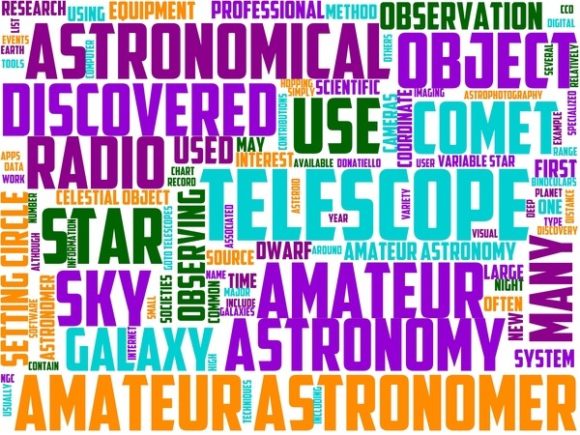
Amateur Astronomy Wordart Book Cover
Imagine opening a notebook and seeing constellations not just drawn—but spelled out in swirling, hand-drawn letters: Orion, nebula, telescope, moon phase, star hop, aperture. That’s the essence of the Amateur Astronomy Wordart Book Cover: a vibrant, hand-crafted wordcloud where meaning meets design. It’s not just decorative—it’s intentional. Each term reflects real practice, curiosity, and community language used by skywatchers, educators, students, and lifelong learners who track planets from backyards, document meteor showers on smartphones, or lead stargazing nights at local parks.
Why This Wordcloud Resonates Now
Interest in amateur astronomy has quietly surged—not because of new telescopes alone, but because of how people connect with wonder in daily life. Social platforms like Instagram and TikTok host thriving communities sharing timelapses of the Milky Way over city rooftops, eclipse-viewing checklists, and DIY finder charts printed on recycled paper. Simultaneously, consumers increasingly favor products with authentic, human-made textures over sterile digital uniformity. A hand-drawn wordcloud—slightly imperfect, rich in color variation, layered with intention—fits this shift perfectly. It signals care, curiosity, and craft—not algorithmic output.
This isn’t nostalgia for analog tools; it’s alignment with modern values: sustainability (many creators print on eco-friendly cotton or recycled stock), mindfulness (stargazing as slow, screen-free engagement), and accessibility (no PhD required to enjoy Saturn’s rings through a $200 scope). The Amateur Astronomy Wordart Book Cover taps into that cultural current—making technical topics feel warm, inclusive, and visually inviting.
Beyond the Book Cover: A Design Tool for Real Workflows
Designers, educators, and small business owners don’t just want pretty graphics—they need flexible, production-ready assets. This wordcloud delivers precisely that. Its high-resolution, vector-friendly layout scales cleanly from a 1-inch enamel pin to a 48-inch event banner. Because it’s built around real terminology—not random buzzwords—it works contextually across uses:
- Educators use it on classroom posters to label parts of a telescope or anchor vocabulary in unit introductions—students remember terms better when they’re embedded in visual rhythm, not isolated flashcards.
- Small observatories and science centers adapt it for volunteer t-shirts, event programs, and gift shop tags—reinforcing mission while avoiding stock imagery that feels generic or outdated.
- Independent publishers integrate it into e-book covers for beginner guides, zines on light pollution, or illustrated journals—adding thematic cohesion without hiring custom illustration for every title.
- Textile designers layer portions of the cloud into quilt patterns or embroidery kits, turning celestial vocabulary into tactile learning tools for kids and adults alike.
Unlike clipart or AI-generated motifs, this wordcloud was built with semantic weight in mind: words like eyepiece, right ascension, and dark adaptation appear alongside accessible terms like stargaze, binoculars, and backyard. That balance makes it useful across audiences—from newcomers sketching their first star map to seasoned observers prepping for a comet watch party.
How It Fits Into Evolving Creative Practices
Craft-based design is no longer niche—it’s foundational. Print-on-demand platforms, local maker fairs, and hybrid retail (online + pop-up) have lowered barriers for creators to test ideas fast and iterate based on real feedback. A single well-designed wordcloud can seed dozens of physical and digital products: a set of astronomy-themed greeting cards, a series of printable observation logs, or even laser-cut wooden coasters engraved with highlighted terms like zenith or azimuth.
What sets this apart is its adaptability *without* losing coherence. You can isolate “Messier” and “catalog” for a vintage-style poster, pull “red dot” and “finderscope” for a beginner’s quick-reference sticker sheet, or rotate the full layout 90 degrees to wrap around a ceramic mug. No cropping, no distortion—just thoughtful structure supporting real use cases.
Practical Tips for Getting the Most Out of This Asset
If you’re considering using the Amateur Astronomy Wordart Book Cover in your work, here are grounded, field-tested suggestions:
- Start with purpose, not placement. Ask: What action do I want this to support? Is it helping someone identify equipment parts? Inspiring journaling? Branding an outreach program? Let that goal guide which words you emphasize—or whether you use the full cloud or a curated subset.
- Respect legibility at scale. On small items like pins or business cards, zoom in on 3–5 high-impact words (e.g., observe, learn, share) rather than shrinking the entire layout. Clarity trumps completeness.
- Pair with complementary visuals—not competition. Use the wordcloud as a base layer behind a subtle starfield texture, or overlay it lightly on a photo of a clear night sky. Avoid stacking it atop busy photos or other dense typography.
- Test color contrast for accessibility. If printing on dark fabric or deep-blue paper, ensure key terms retain enough luminance difference to remain readable—especially for users with low vision or color perception differences.
- Update thoughtfully, not constantly. Unlike trend-driven graphics that date quickly, this wordcloud’s strength lies in its timelessness. Add a new term only if it reflects widespread, sustained usage—not a fleeting hashtag. (For example, “light pollution map” fits; “astro-TikTok” does not.)
A Resource Rooted in Community, Not Just Aesthetics
The most effective creative assets grow from shared experience—not isolated inspiration. This wordcloud emerged from conversations with astronomy club coordinators, homeschooling parents, and public library STEM librarians. Their feedback shaped word selection, font weight distribution, and spacing logic—ensuring terms like planisphere and transit sit with visual weight matching their functional importance in practice.
That grounding matters. When a teacher prints this on a classroom door, it doesn’t just say “we love space”—it says “we speak the same language as the kids who brought in their first lunar sketch.” When a startup launches a subscription box for beginner astronomers, using this cover signals respect for the craft—not just surface-level appeal.
It also reflects broader shifts in how knowledge is shared. Formal gatekeeping (e.g., “you must own a 10-inch Dobsonian before joining”) is giving way to invitation-based participation. Words like curious, start, watch, and share aren’t filler—they’re active verbs that mirror how people actually begin and sustain engagement with the night sky today.
Final Thought: Design That Deepens Connection
The Amateur Astronomy Wordart Book Cover succeeds not because it’s “trendy,” but because it meets people where they are: balancing technical accuracy with approachability, handmade charm with professional utility, and quiet reverence for the cosmos with everyday creativity. Whether you’re designing a conference badge for a regional star party, illustrating a children’s book about comets, or launching a Patreon for backyard astrophotography tips—this wordcloud offers more than decoration. It offers resonance.
And in a world saturated with disposable visuals, resonance is what lasts.