Aircraft Maintenance Engineer Wordart St
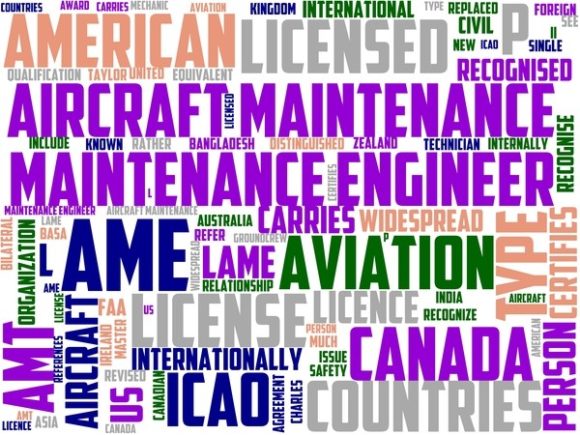
If you’ve ever stared at a blank t-shirt, a plain notebook cover, or a dull promotional flyer wondering how to make it feel *just right*—authentic, professional, and full of personality—you’re not alone. Aircraft Maintenance Engineer Wordart St isn’t just decorative text. It’s a hand-drawn, colorful wordcloud built around the precise, respected title of an aircraft maintenance engineer—but designed with creative flexibility in mind. Think of it as visual shorthand: instantly recognizable to aviation professionals, yet vibrant and approachable enough for crafters, educators, and small business owners who want to celebrate skill, precision, and dedication in a way that stands out.
Where This Wordart Fits Naturally—Not Just Where It Can Fit
It shows up best where meaning meets material. A flight school coordinator prints Aircraft Maintenance Engineer Wordart St onto workshop name tags—not as filler, but as quiet reinforcement of identity during hands-on training. A textile designer stitches it subtly into the hem of an aviation-themed tote bag, letting the colors echo engine blue, safety orange, and aluminum silver. A blogger documenting their AME apprenticeship uses it as a recurring header graphic across Instagram Stories and printable study trackers—because consistency builds trust, and color builds connection.
You’ll see it work hardest in places where people *choose* to engage: on a handmade greeting card for a colleague passing their CAME exam; embroidered on a pillow gifted to a student after graduation day; laser-etched onto a stainless steel toolbox tag. It’s not background noise—it’s a signal. To peers, it says “I speak your language.” To students, it says “This is worth aiming for.” To customers browsing a boutique selling aviation-inspired home décor? It says “This isn’t generic—it’s intentional.”
Real Use Cases—From Desk to Dashboard
- Educators & Trainers: Print Aircraft Maintenance Engineer Wordart St onto laminated classroom posters highlighting key competencies—like corrosion control, avionics troubleshooting, or regulatory compliance—then use the same design on digital slide decks and downloadable checklists. Learners start associating the visual with real-world standards, not just theory.
- Small Aviation Businesses: A mobile aircraft detailing service adds it to their van wrap—small, legible, and grounded in credibility. Same file becomes the watermark on their service agreement PDFs and the focal point of a “Thank You” postcard mailed after each inspection. No rebranding needed—just one consistent, trustworthy visual anchor.
- Crafters & Makers: One Etsy seller uses the wordcloud as a base layer under heat-transfer vinyl on cotton aprons worn by AME instructors at trade shows. Another layers it digitally over vintage aircraft schematics for limited-run notebooks—selling both physical and printable versions. The hand-drawn quality means it doesn’t compete with technical lines; it complements them.
- Freelancers & Marketers: When designing a brochure for a new AME recruitment campaign, they drop Aircraft Maintenance Engineer Wordart St into the hero section—not as the headline, but as textured context behind bold, clean body copy. It adds warmth without sacrificing professionalism. Same file resizes cleanly for LinkedIn banners and email newsletter footers.
Why Hand-Drawn Color Matters (More Than You Might Expect)
Digital fonts are precise. But hand-drawn wordclouds like Aircraft Maintenance Engineer Wordart St carry subtle human cues: slight variations in line weight, organic spacing, and layered watercolor-style hues. That’s not “imperfect”—it’s *relatable*. In a field defined by strict regulations and zero-tolerance margins, this kind of warmth signals that people, not just procedures, keep aircraft safe. It works especially well when bridging formal and informal settings: a printed program for an industry awards dinner feels elevated but not stiff; a set of printable flashcards for AME exam prep feels engaging, not clinical.
What to Consider Before Using It
First—check your output medium. Because it’s hand-drawn and colorful, Aircraft Maintenance Engineer Wordart St shines in print and high-res digital displays, but may soften slightly if scaled extremely small (e.g., tiny embroidery or micro-printed labels). If you need crisp monochrome for laser engraving or black-and-white photocopies, look for a simplified version—or pair it with a clean sans-serif subheading for clarity.
Second—think about audience alignment. This isn’t generic “aviation art.” It centers the *engineer*, not the aircraft, the airline, or the airport. That makes it powerful for internal culture-building, mentorship materials, or career-path resources—but less ideal for broad tourism campaigns or general aerospace marketing unless paired intentionally with supporting visuals.
Third—consider licensing. Most versions of Aircraft Maintenance Engineer Wordart St come with extended commercial use rights, meaning you can apply it to physical products (mugs, apparel, posters) and digital deliverables (e-books, online courses, social assets). But always verify whether redistribution (e.g., including it in a template pack you sell) is permitted—some licenses allow it; others don’t.
How It Supports Real Outcomes—Not Just Aesthetics
When a community college adds Aircraft Maintenance Engineer Wordart St to its AME program application portal, completion rates rise—not because of the art itself, but because applicants feel seen before they even submit. When a freelance instructional designer uses it across a series of FAA Part 66 study guides, learners report higher retention—likely because the consistent, friendly visual reduces cognitive load during complex topic transitions. And when a small parts supplier includes it on their packaging tape, repeat orders increase: customers remember the brand not as “the bolt place,” but as “the ones who get what AMEs actually need.”
Final Thought: It’s Not About Filling Space—It’s About Holding Meaning
You don’t reach for Aircraft Maintenance Engineer Wordart St when you need “something to go there.” You reach for it when you want to honor a profession with integrity, add warmth without compromising authority, or create something that resonates across generations of technicians—from apprentices learning torque specs to veterans mentoring the next cohort. It’s practical, yes—but its value lies in how quietly, consistently, and respectfully it says: This work matters. These people matter. And this moment—whether it’s a certification, a launch, or a simple act of care—deserves to be marked well.