Acting Wordart Crafting: A Vibrant Toolkit for Visual Storytelling and Design Expression
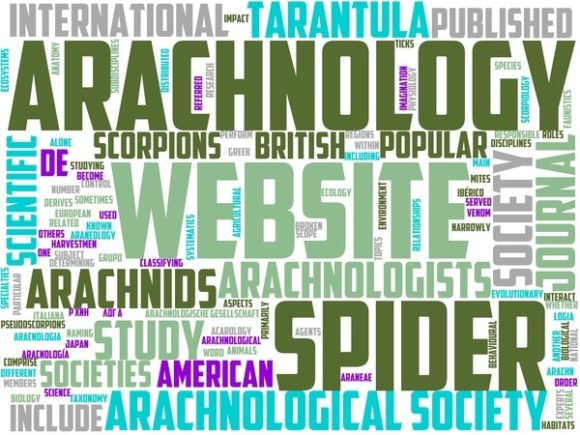
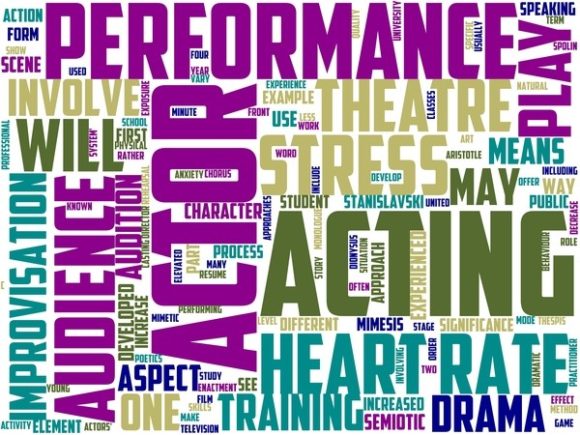
Acting Wordart Crafting is more than a design trend—it’s a dynamic, expressive methodology that transforms language into visual experience. At its core lies the hand-drawn, colorful wordcloud: not a static image, but a living composition where typography, color psychology, spatial rhythm, and semantic weight converge. Unlike algorithmically generated word clouds that prioritize frequency alone, Acting Wordart Crafting emphasizes intentionality—each word is placed, sized, angled, and colored to reflect emotional resonance, narrative hierarchy, or thematic emphasis. This distinction makes it uniquely suited for applications where authenticity, warmth, and human-centered communication matter.
Why Hand-Drawn Wordclouds Stand Apart in Modern Design Practice
Digital tools offer speed and scalability—but they often sacrifice nuance. A hand-drawn wordcloud, especially one rooted in Acting Wordart Crafting principles, carries tactile evidence of human decision-making: slight variations in line weight, organic spacing, overlapping letterforms, and pigment-rich gradients that evoke immediacy and care. These qualities register subconsciously with viewers, fostering trust and engagement. Consider how a teacher might use a hand-lettered wordcloud titled “What Makes a Great Team?” on classroom posters—the irregular curves and joyful color shifts subtly reinforce the message that collaboration isn’t rigid or uniform, but adaptive and personal.
This authenticity translates directly into commercial and creative contexts. When used on apparel, for instance, a hand-drawn wordcloud doesn’t behave like generic clip art; it becomes wearable storytelling. A t-shirt featuring the phrase “Curiosity • Courage • Create” rendered in layered watercolor strokes and uneven baselines invites conversation—not just about the words, but about the craft behind them. That layer of meaning elevates perceived value and supports brand differentiation in saturated markets.
Real-World Applications Across Industries
The versatility of Acting Wordart Crafting stems from its adaptability across physical and digital formats—and its resonance with diverse audiences. Below are key application domains, grounded in observable usage patterns and designer feedback:
- Textile & Apparel Design: Designers integrate hand-drawn wordclouds into fabric prints for scarves, tote bags, and children’s clothing. Because the compositions are inherently scalable and non-repetitive, they avoid the “tile-line” artifacts common in pattern-based repeats—making them ideal for cut-and-sew workflows.
- Educational Materials: Curriculum developers embed themed wordclouds into lesson plans, flashcards, and interactive notebooks. A science unit on ecosystems might feature a central “Balance” surrounded by hand-sketched terms like “decomposer,” “pollinator,” and “nutrient cycle”—reinforcing conceptual relationships visually before textual explanation begins.
- Small Business Branding: Local cafes, studios, and boutiques use custom wordclouds as foundational elements in identity systems. One Brooklyn bakery built its entire seasonal menu around an Acting Wordart Crafting piece titled “Harvest • Hearth • Honey”—applied to chalkboard signage, takeaway cups, and loyalty cards—creating cohesive, memorable touchpoints without relying on stock photography.
- Mixed Media & Fine Craft: Artists combine printed wordcloud layers with embroidery, collage, or resin casting. A textile artist recently mounted a laser-cut acrylic version of a “Resilience” wordcloud over hand-stitched linen, allowing light to pass through translucent letters—a literal and metaphorical layering of meaning.
- Digital Publishing & E-Learning: In e-books and online courses, animated or scroll-triggered versions of hand-drawn wordclouds serve as chapter dividers or concept anchors. Their visual density rewards attention without overwhelming—unlike dense paragraphs—making them especially effective for neurodiverse learners who benefit from multimodal input.
Implementation Considerations for Creators and Teams
Adopting Acting Wordart Crafting successfully requires attention to both aesthetic integrity and functional constraints. Here’s what practitioners consistently highlight as essential:
Color Harmony with Purpose: While vibrancy defines many pieces, indiscriminate color use dilutes impact. Seasoned designers apply color theory deliberately—for example, reserving cooler tones (teal, lavender) for background or connective words, and warmer hues (coral, ochre) for action-oriented terms like “launch,” “build,” or “share.” Accessibility testing remains critical: contrast ratios must meet WCAG 2.1 AA standards when used in digital interfaces or printed materials intended for broad distribution.
Typography as Texture: Mixing type styles isn’t about variety for its own sake. In Acting Wordart Crafting, serif fonts may signal tradition or authority (“legacy,” “wisdom”), while rounded sans-serifs suggest approachability (“welcome,” “together”). Script elements introduce movement and voice—but only where legibility permits. Overuse of decorative lettering on small-format items like business cards or magnets risks becoming illegible at arm’s length.
Scalability Without Sacrifice: Vector-based hand-drawn assets retain fidelity across sizes, but raster interpretations (e.g., scanned ink sketches) require careful resolution planning. A wordcloud designed for a 48" x 36" poster shouldn’t be repurposed unchanged for a 2" diameter sticker unless re-proportioned and simplified—removing fine details that vanish at small scale. Designers using Acting Wordart Crafting routinely create tiered asset sets: detailed master files, mid-fidelity versions for web banners, and ultra-streamlined variants for embroidery or foil stamping.
User-Centered Workflow Integration
Acting Wordart Crafting thrives when embedded early in creative workflows—not as decoration added at the end, but as a structural device guiding content development. Educators report improved student engagement when co-creating wordclouds during brainstorming sessions: learners physically arrange sticky-note words on a wall, then refine groupings and hierarchies before digitizing. This participatory process builds ownership and deepens retention.
For marketing teams, the same principle applies. Rather than commissioning a final wordcloud after copy is locked, brands now involve designers in messaging strategy workshops. Together, they identify core emotional drivers (“trust,” “clarity,” “growth”) and map supporting attributes—then translate those relationships into spatial composition. The resulting piece doesn’t illustrate the message; it embodies it.
This collaborative integration extends to production pipelines. Print shops increasingly request layered PSD or AI files—not flattened JPEGs—so they can adjust spot colors for Pantone matching or isolate elements for foil blocking. Similarly, apparel printers benefit from transparent-background PNGs with clearly labeled layers (text, shadow, texture overlay), enabling precise screen registration on varied fabric types.
Emerging Trends Shaping Future Use
Three developments are expanding the relevance of Acting Wordart Crafting beyond traditional craft circles:
- Generative Hybrid Workflows: Designers now use AI-assisted tools to draft semantic clusters and layout suggestions—then manually reinterpret those outputs through hand-drawing or stylus-based refinement. This balances efficiency with irreplaceable human judgment, particularly in tone-sensitive contexts like healthcare communications or nonprofit advocacy.
- Sustainable Material Pairings: As eco-conscious production grows, creators match wordcloud designs with natural dyes, recycled cotton, or biodegradable sticker substrates. A wellness brand, for example, prints its “Breathe • Ground • Return” wordcloud on seed paper tags—designed to be planted after use—turning the artifact itself into part of the message.
- Interactive Physical-Digital Bridges: QR codes embedded within wordcloud illustrations (discreetly integrated into letterforms or negative space) link to audio reflections, video tutorials, or community forums. This transforms static decor into entry points for deeper engagement—especially valuable for museums, conference programs, and public installations.
Acting Wordart Crafting endures because it answers a fundamental human need: to see meaning made visible—not through abstraction, but through gesture, choice, and care. Whether applied to a child’s handmade birthday card or a global brand’s sustainability report, its power lies in reminding us that language, when treated with intention, becomes architecture for feeling. Its hand-drawn roots resist automation not out of nostalgia, but because the slight tremor in a line, the thoughtful pause between words, and the warmth of pigment on surface all carry information no algorithm can replicate—yet every viewer instinctively understands.
As tools evolve and platforms multiply, the demand for work that feels genuinely human—not merely optimized—only intensifies. Acting Wordart Crafting meets that demand not by rejecting technology, but by insisting that technology serve expression, not replace it. That balance, practiced with discipline and empathy, ensures its continued relevance across classrooms, studios, boardrooms, and living rooms alike.